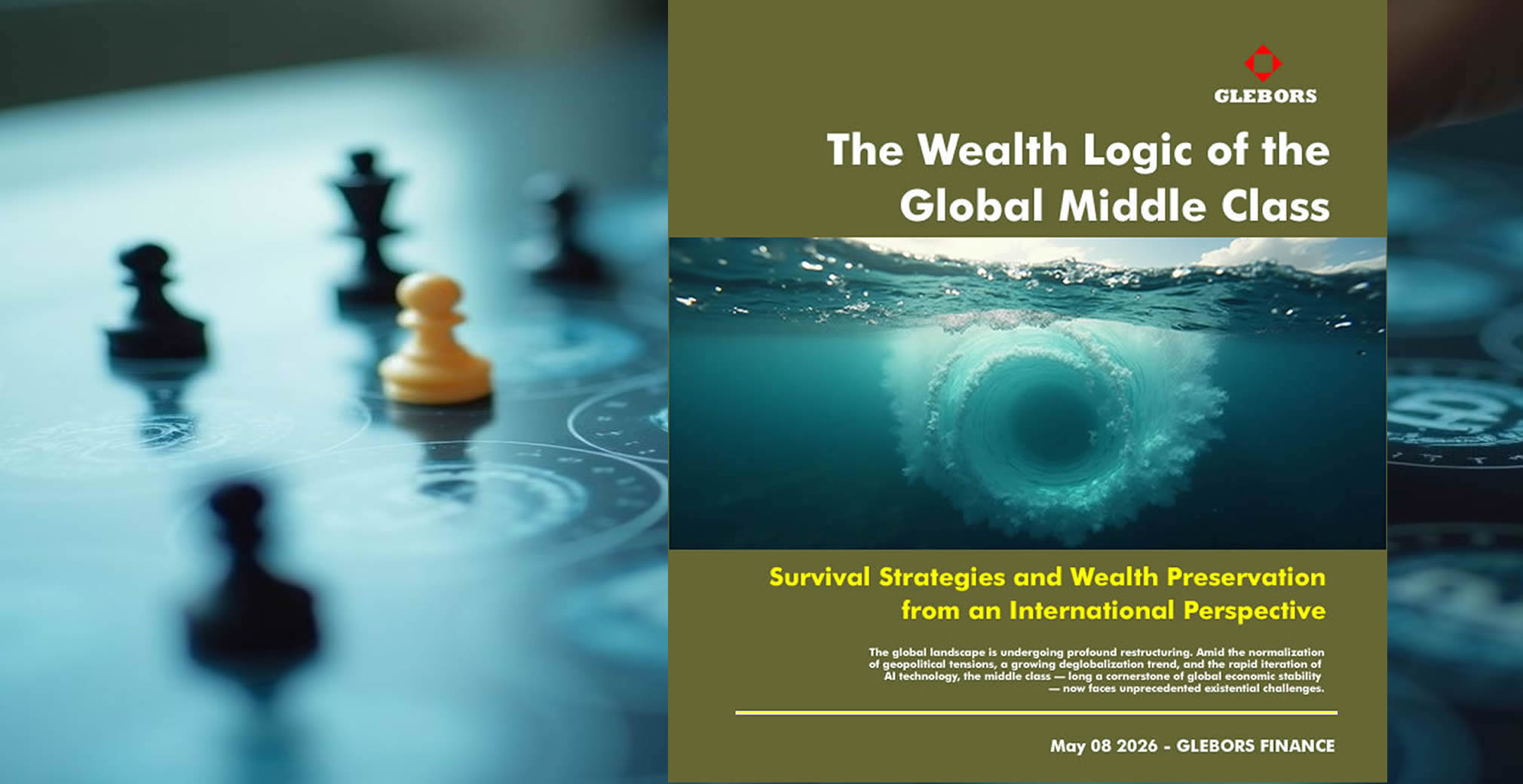
Faced with these systemic shocks, the global middle class has become increasingly polarized: most have been pushed into passive contraction, grappling with pay cuts, layoffs, and falling asset values, with little hope of escaping the pressure.
A small minority, however, have proactively sought change, achieving breakthroughs through skill restructuring, asset diversification, and cognitive upgrading — and the gap between these two groups continues to widen.
The Shrinking Middle Class: A Global Decline. The middle class now accounts for 51% of the U.S. population, down from 61% in 1971. In major European countries, the middle class has shrunk by nearly two-thirds over 15 years; in Japan, a long-term balance sheet recession has created a typical "M-shaped society," where the middle class makes up less than 40% of the population. This group is increasingly defined by low aspirations, high anxiety, and vulnerability, with declining consumption, rising savings rates, and weakened resilience when faced with unexpected shocks.
In stark contrast, middle-class individuals who have successfully broken through share three key traits: first, irreplaceable skills, focusing on core competencies that AI cannot easily replicate — including cross-domain integration, complex decision-making, emotional intelligence, and innovative design.
Emerging professions like AI trainers, data compliance specialists, and high-end consultants now see salary growth more than three times that of traditional middle-class roles. Second, diversified income streams, moving beyond reliance on a single salary. Over 30% of successful middle-class individuals worldwide have side incomes, spanning knowledge sharing, cross-border e-commerce, and skill outsourcing. Third, defensive asset allocation, reducing exposure to real estate and high-risk equities while increasing holdings of liquid assets such as cash, gold, and short-term government bonds. The global allocation to safe-haven assets has risen from 15% in 2020 to 35% in 2025, significantly enhancing asset resilience.
Based on global macro trends and the polarization of the middle class, our overseas independent research institution believes that navigating fragmentation requires the middle class to adhere to four core principles: "defense first, skill reconstruction, diversified layout, and rational expectations." The key is to build a comprehensive, multi-layered risk-resilient system across four dimensions: finance, career, cognition, and lifestyle.
Deleveraging is the top priority for financial reconstruction: prioritize repaying high-interest debt such as credit cards and consumer loans, keeping household debt-to-asset ratios below 80% to avoid debt crises triggered by asset price fluctuations. At the same time, maintain sufficient liquidity reserves — equivalent to 6-12 months of basic living expenses — to cover unexpected events like unemployment or illness. On this foundation, diversify asset allocation, following the principle of "15% defensive (cash, gold) + 45% stable (government bonds, high-rated corporate bonds) + 40% growth (high-quality real estate in core cities, low-volatility equities)" to reduce reliance on a single asset and enhance portfolio stability. Additionally, adopt rational consumption habits: abandon conspicuous consumption, cut non-essential expenses, and direct funds toward long-term value areas like health, education, and skill development to build long-term resilience.
Subscribe to Unlock this Article
Complete digital access to quality Glebors financial topic with expert analysis from industry leaders.
Glebors Financial Become an Glebors subscriber
Make informed decisions with the Glebors.Keep abreast of significant corporate, financial and political developments around the world. Stay informed and spot emerging risks and opportunities with independent global reporting, expert commentary and analysis you can trust.
- Financial reports are independent global financial research reports that you can trust. The information keeps pace with important companies around the world, global financial and political dynamics, independent insights and unique perspectives, helping you catch up with the latest information and identify the potential risks and opportunities.
- Our financial special reports use professional knowledge to fully understand the market situation, break down the perspectives of experts, and rationally analyze data to help you eliminate noise, accurately identify the changes in political, economic and social trends, and fully aware of the risks and grasp the opportunities.
- Our goal is to help shape the uniqueness of each research space we are involved in. Our research provides readers with new insights in terms of the global economy, financial markets, asset classes and risk management. We will continue to present new insights into global markets and industries.
Financial Reports
If you want to know more details to provide support for your investment and business activities, this financial report that we have selected for you can give you what you want, please subscribe to read it. Glebors Global Finance aims to provide business elites and decision makers with daily business news, data interpretation, in-depth analysis and commentary.
Glebors Global Finance’s amount of financial information digs into deeply major events and economic data that have a huge impact on the global economy, based on in-depth industrial research and special reports, with a truly global perspective。 Financial reports have become "must-read" financial information for senior managers. Gribs Global Finance currently has more than2.85 million Chinese readers and more than 3.5 million overseas readers, including more than 600,000 high-end member readers.