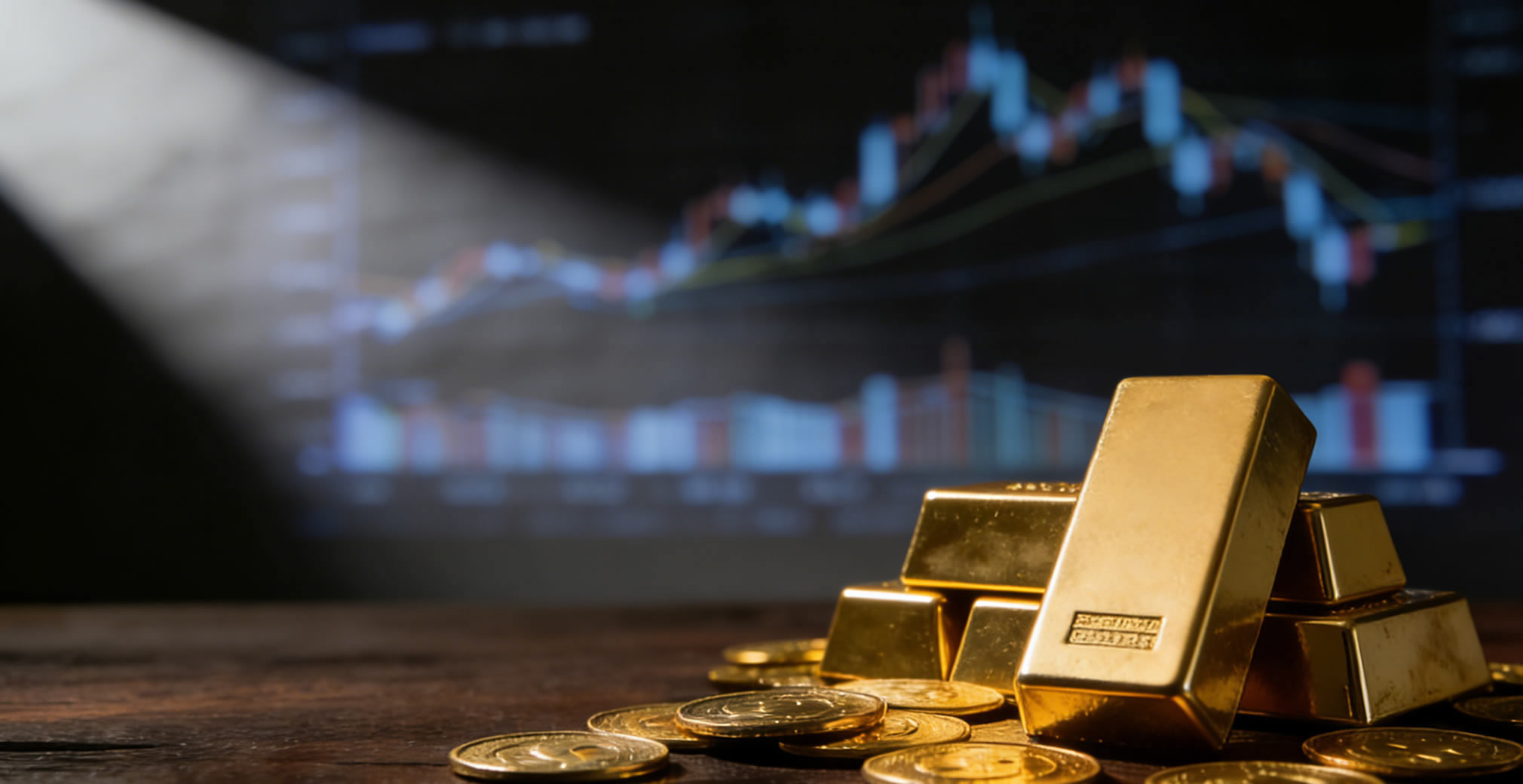
In 2025, the gold price increased by over 67%, repeatedly reaching new highs, which has been a bright spot. At the beginning of 2026, the London gold price declined to $4,300 per ounce, prompting the discussions regarding the overall trend of gold for the year. According to analyses from various financial institutions, the gold market is expected to experience a pattern of "volatility with underlying strength, stabilization in the early period followed by upward momentum" throughout 2026. The fundamental drivers of the bull market remain intact, although price volatility has intensified.
Investment institutions generally remain optimistic about the outlook of gold prices. Goldman Sachs has set a target price of $4,900 per ounce, UBS forecasts gold could reach $5,000 within the first three quarters, and JPMorgan Chase projects a potential rise to $6,000 by the fourth quarter. While the value of gold continues to rise in 2026, a sustained one-sided surge is unlikely. The first half of the year is anticipated to experience a phase of consolidation, followed by an accelerated upward trajectory in the second half. Gold prices are expected to fluctuate between $4,200 and $4,400 per ounce in the first quarter, with an estimated annual return of 10%–15%.
Three primary factors underpin the gold prices:
Firstly, the Federal Reserve's rate cut cycle. It is projected that the Fed will implement cumulative rate cuts of 50 basis points by 2026. A dovish candidate may accelerate monetary easing, thereby reducing the cost of holding non-yielding assets such as gold.
Secondly, the sustained gold purchases by global central banks. Goldman Sachs anticipates an average monthly acquisition of 70 tons. The ongoing trend of de-dollarization further strengthens demand for gold as a reserve asset.
Thirdly, persistent geopolitical tensions and macroeconomic uncertainties. Developments in Latin America and the escalation of the Russia-Ukraine conflict have heightened demand for safe-haven assets. A tight supply-demand balance has further contributed to price appreciation.
Nonetheless, certain risks warrant attention. Should the U.S. economy remain resilience than anticipated, leading to delayed or reduced rate cuts by the Fed, gold prices could face downward pressure and undergo a moderate correction. Additionally, a slowdown in central bank buying or a de-escalation of geopolitical tensions may induce short-term fluctuations of gold. However, these factors are unlikely to reverse the long-term upward trend of gold.
From an investment perspective, gold should serve as a strategic "ballast" in portfolio allocation. For household investors, the recommended allocation to gold should range between 5% and 10%. A disciplined approach—such as dollar-cost averaging or phased purchasing during price dips—is advised. For more active traders, watch closely key events is necessary, including Federal Reserve policy meetings, which is essential to ensure investment decisions align with individual risk tolerance and promote rational decision-making.
Subscribe to Unlock this Article
Complete digital access to quality Glebors financial topic with expert analysis from industry leaders.
Glebors Financial Become an Glebors subscriber
Make informed decisions with the Glebors.Keep abreast of significant corporate, financial and political developments around the world. Stay informed and spot emerging risks and opportunities with independent global reporting, expert commentary and analysis you can trust.
- Financial reports are independent global financial research reports that you can trust. The information keeps pace with important companies around the world, global financial and political dynamics, independent insights and unique perspectives, helping you catch up with the latest information and identify the potential risks and opportunities.
- Our financial special reports use professional knowledge to fully understand the market situation, break down the perspectives of experts, and rationally analyze data to help you eliminate noise, accurately identify the changes in political, economic and social trends, and fully aware of the risks and grasp the opportunities.
- Our goal is to help shape the uniqueness of each research space we are involved in. Our research provides readers with new insights in terms of the global economy, financial markets, asset classes and risk management. We will continue to present new insights into global markets and industries.
"Insight of the global economy, dig into more ideas, analyze the global financial dynamics and the risks of political situation from a strategic, scientific and rational perspective, based on economic data and more than 20 years of financial intelligence."
Financial Reports
If you want to know more details to provide support for your investment and business activities, this financial report that we have selected for you can give you what you want, please subscribe to read it. Glebors Global Finance aims to provide business elites and decision makers with daily business news, data interpretation, in-depth analysis and commentary.
Glebors Global Finance’s amount of financial information digs into deeply major events and economic data that have a huge impact on the global economy, based on in-depth industrial research and special reports, with a truly global perspective。 Financial reports have become "must-read" financial information for senior managers. Gribs Global Finance currently has more than2.85 million Chinese readers and more than 3.5 million overseas readers, including more than 600,000 high-end member readers.